





Scroll To Top
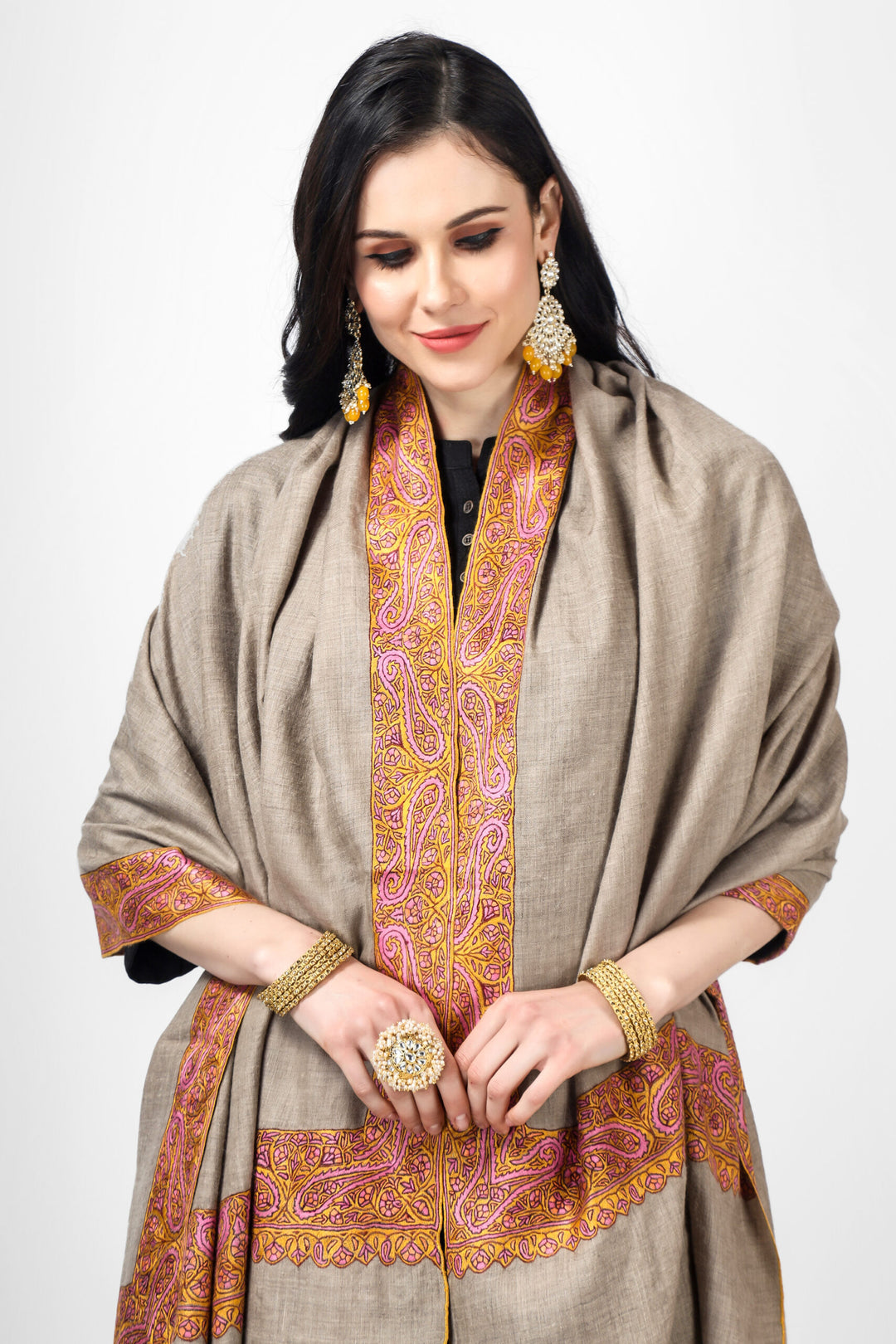
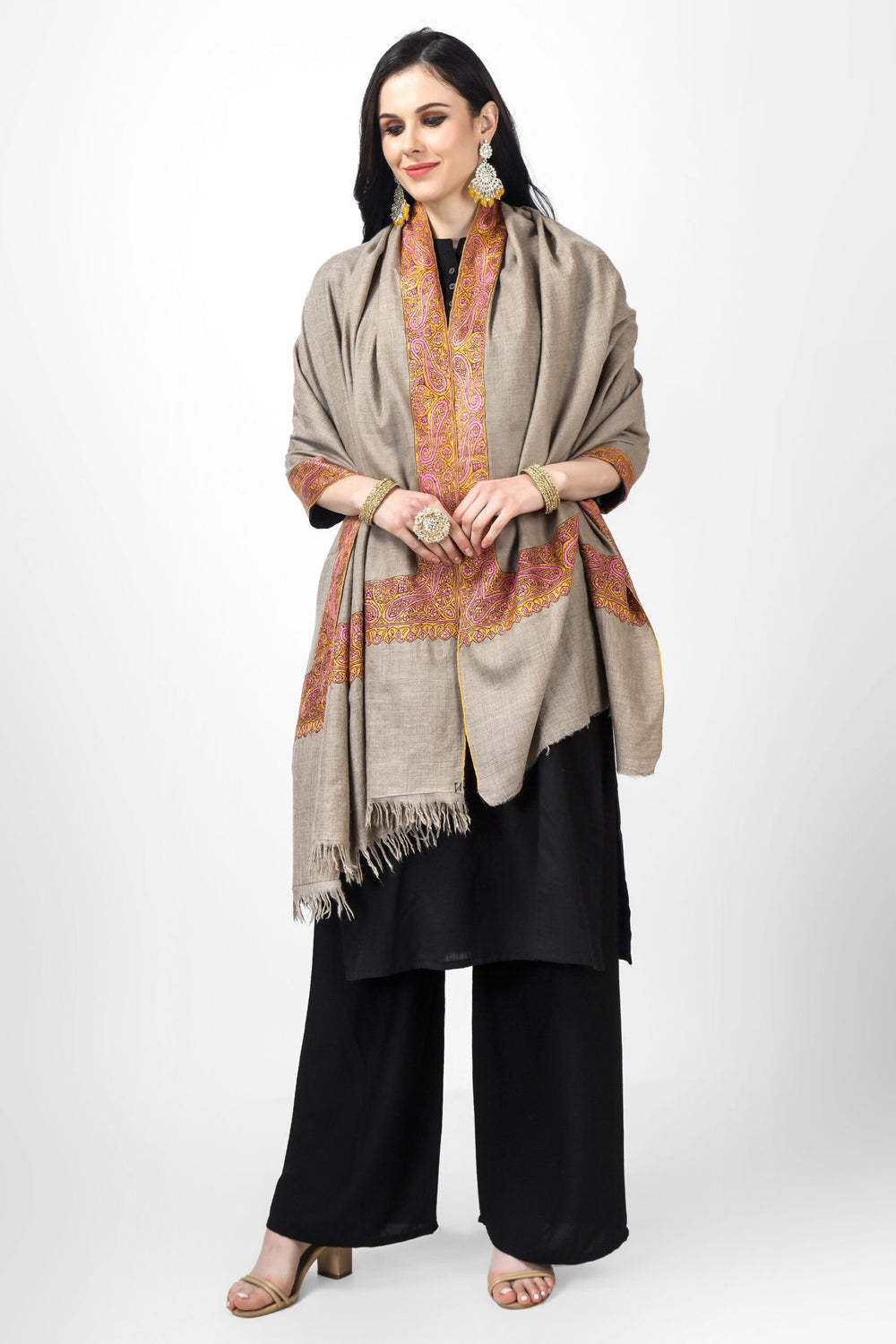
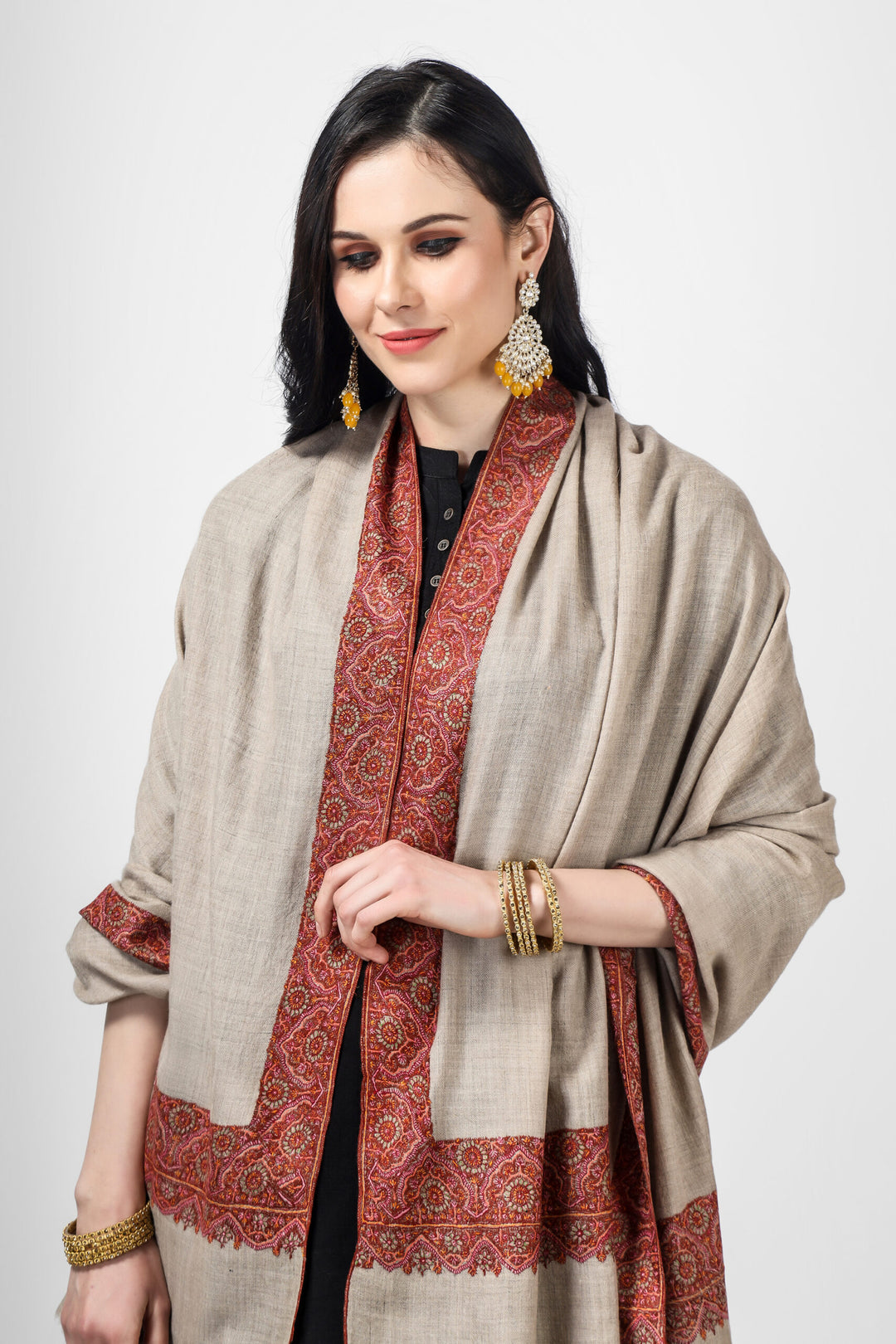
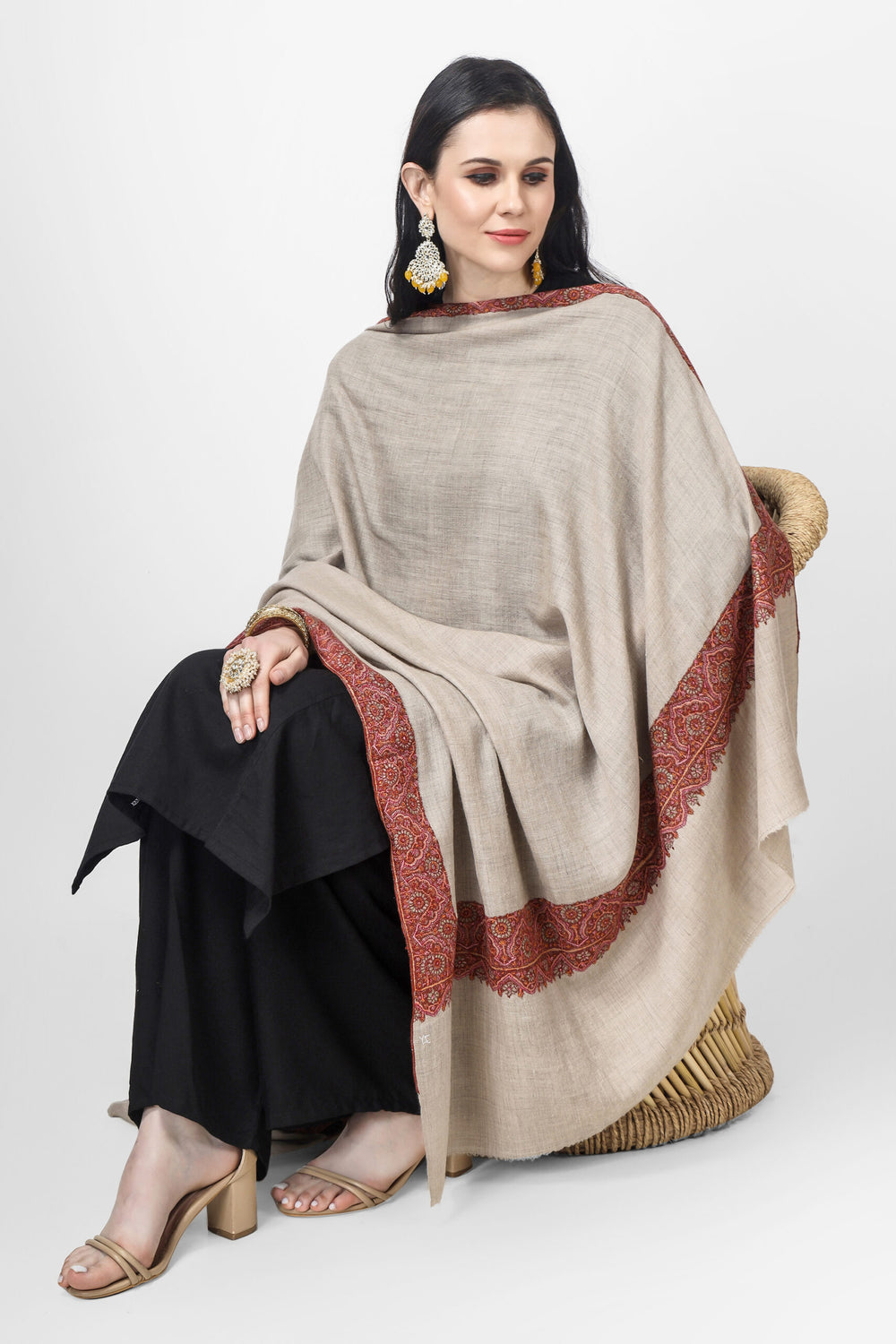
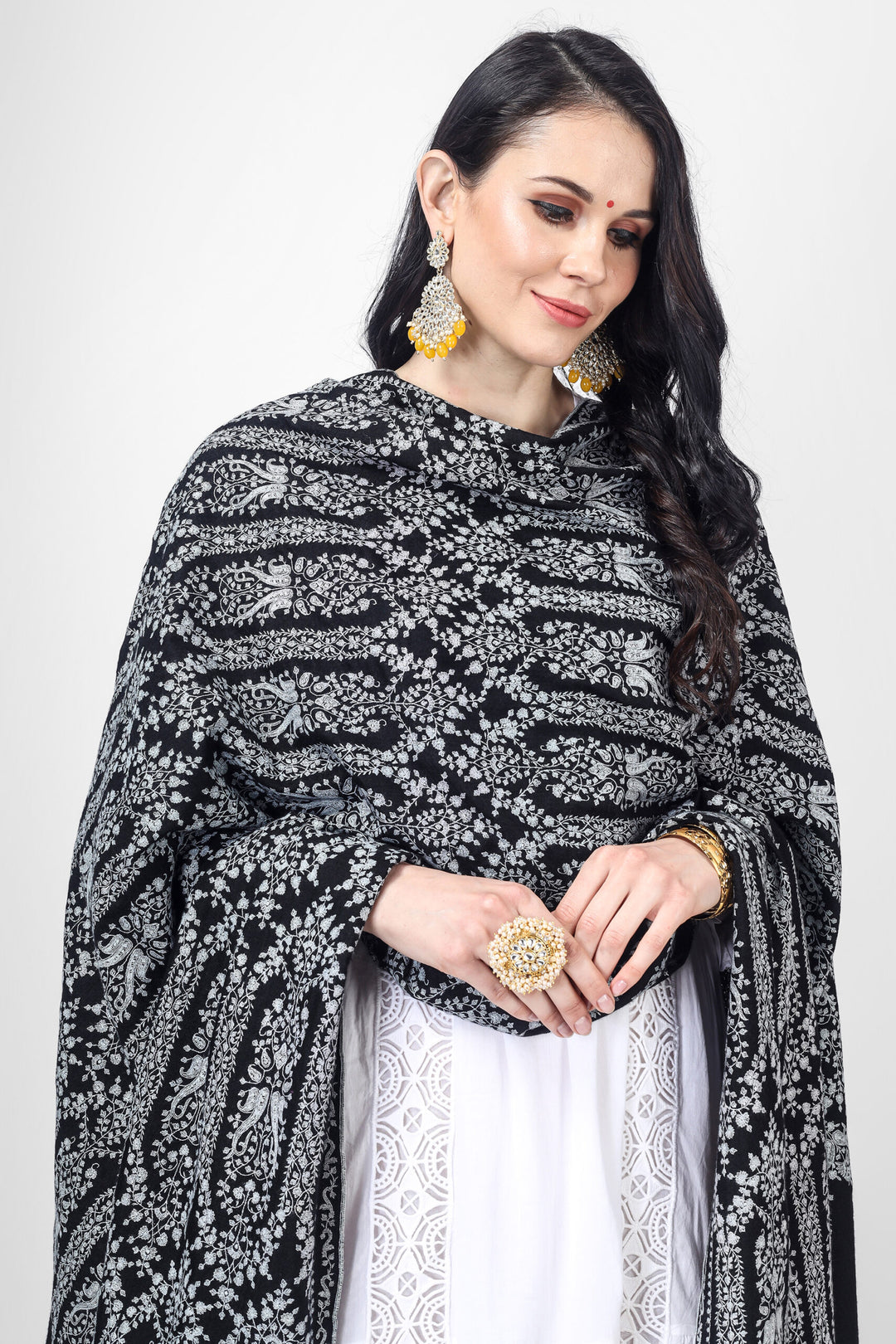
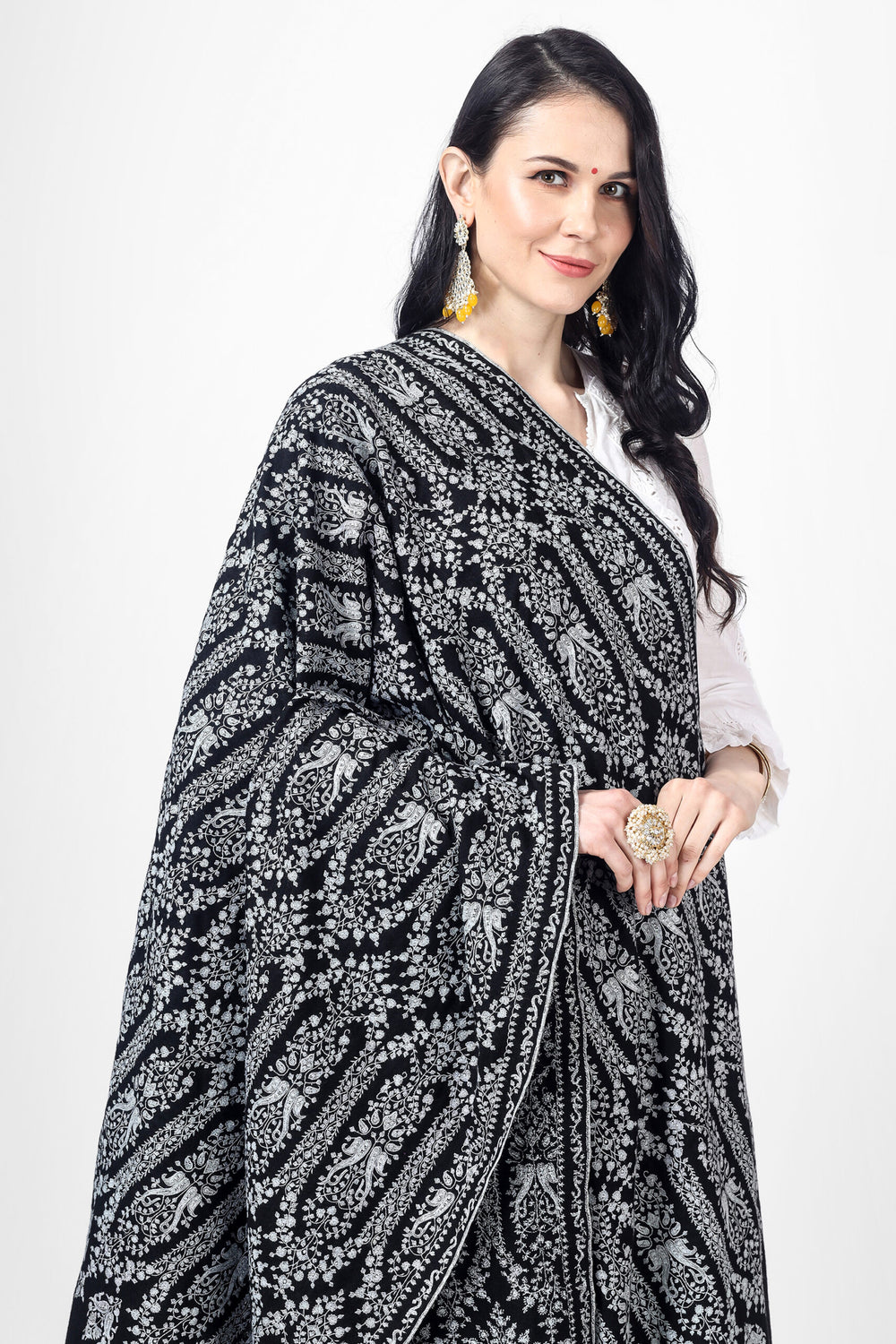
Genuine GI Pashmina Shawls – Authentic Kashmir Elegance
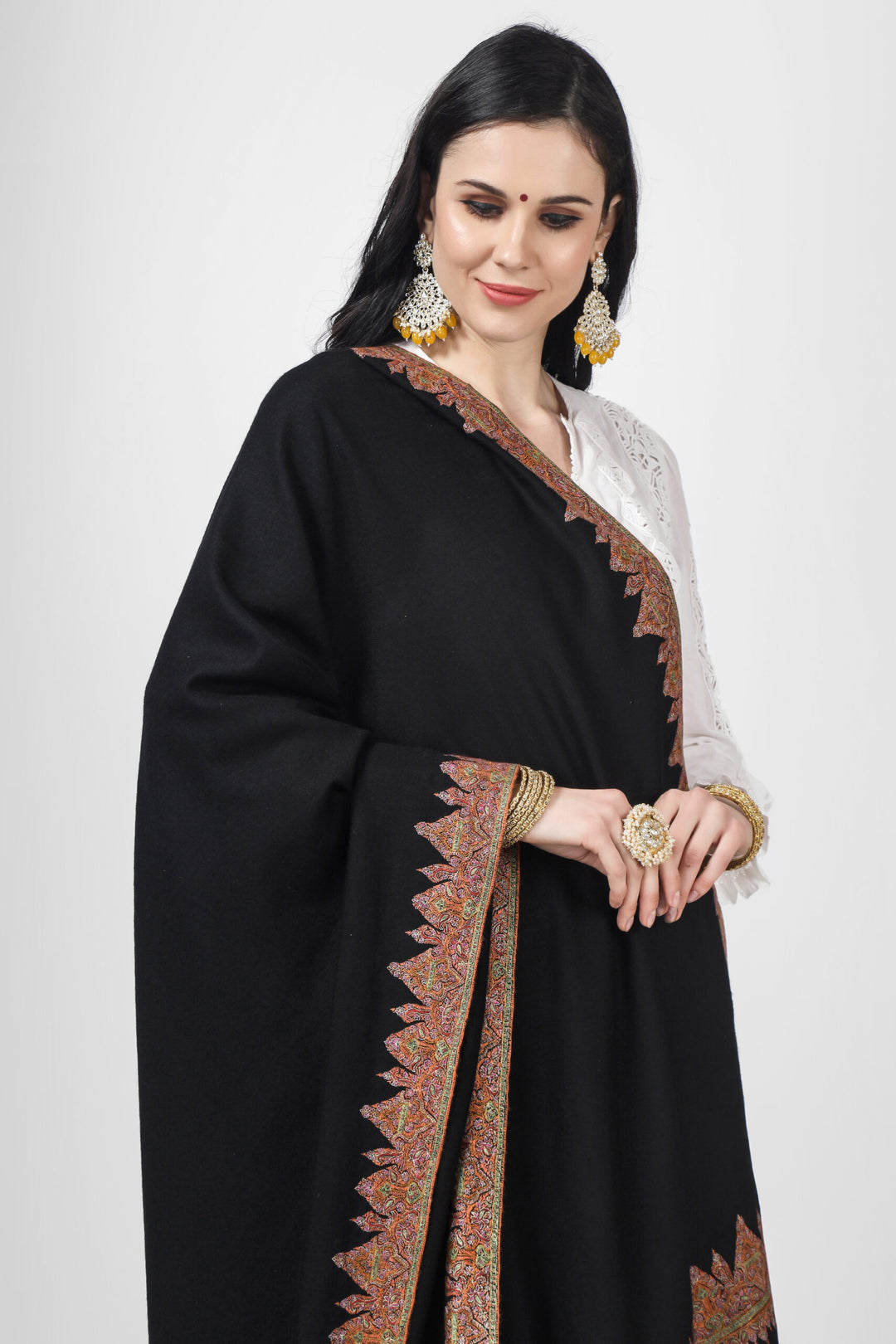
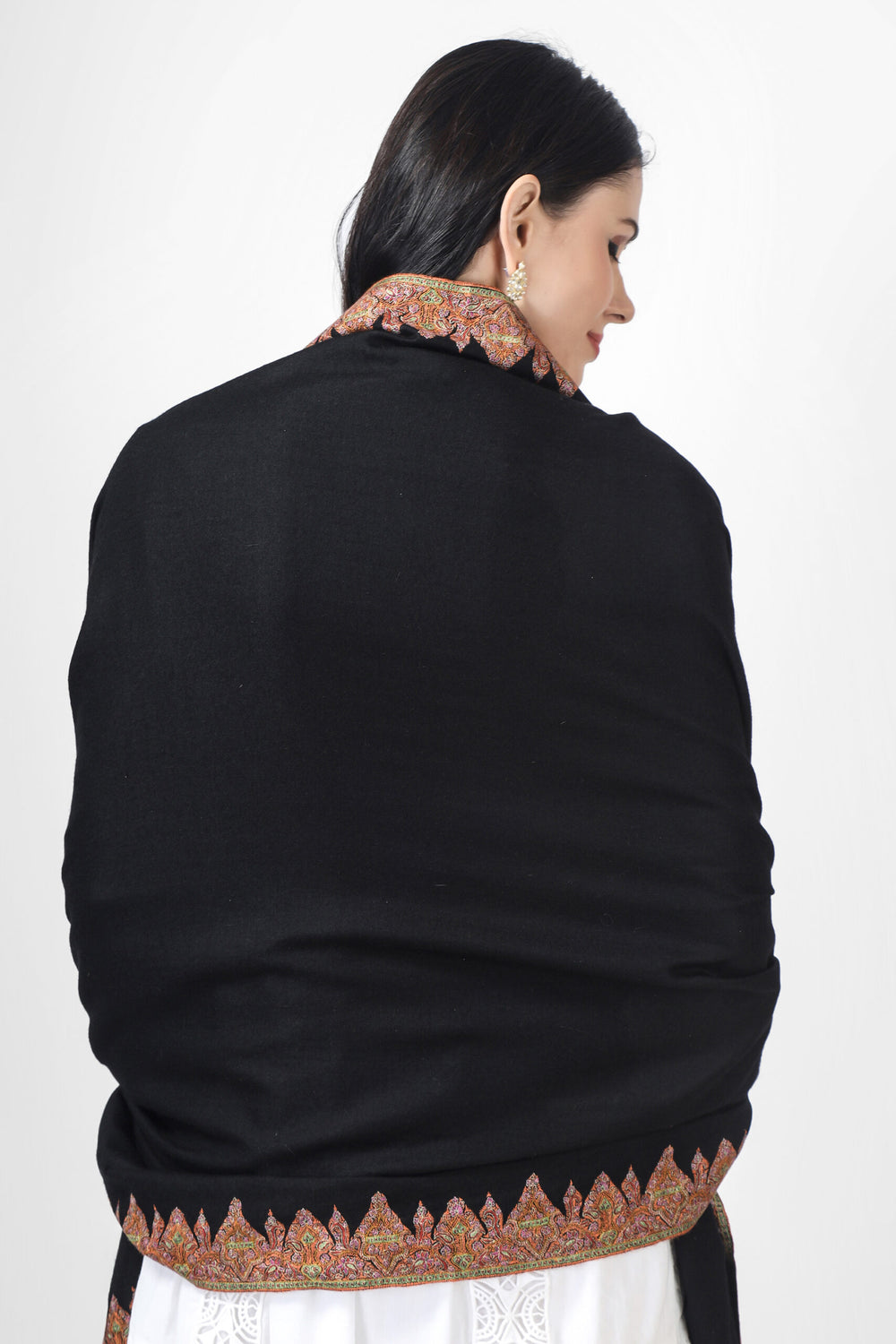
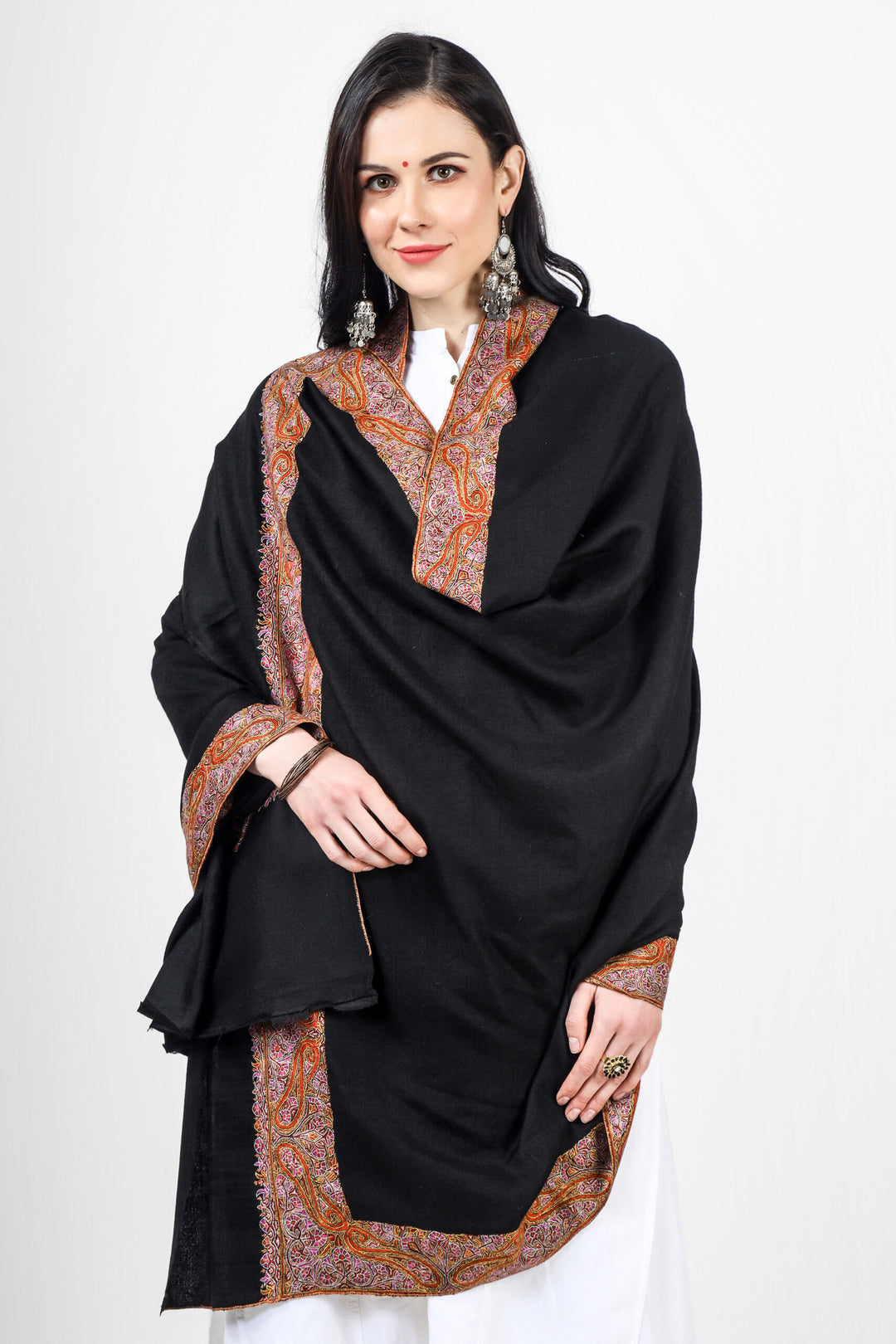
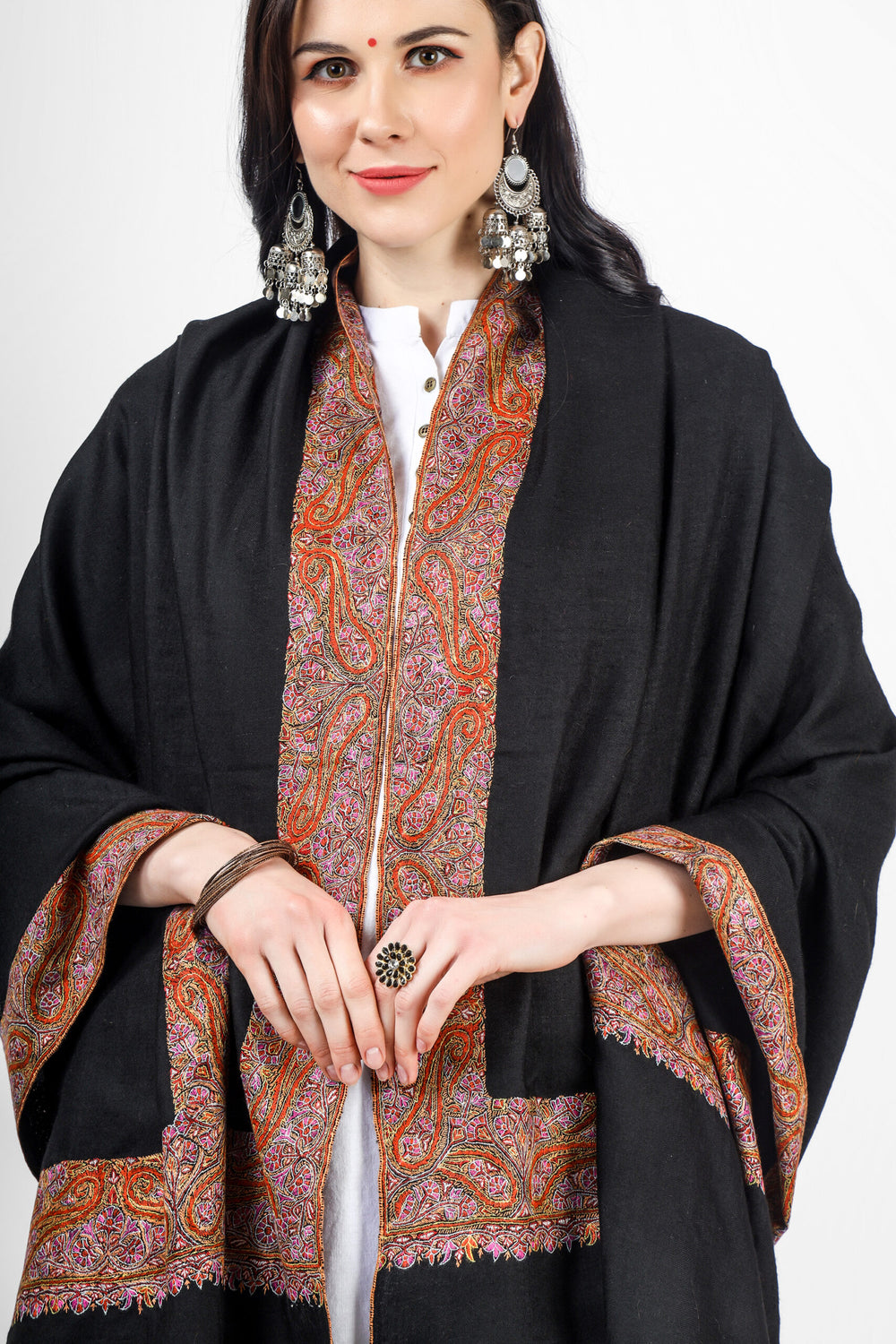
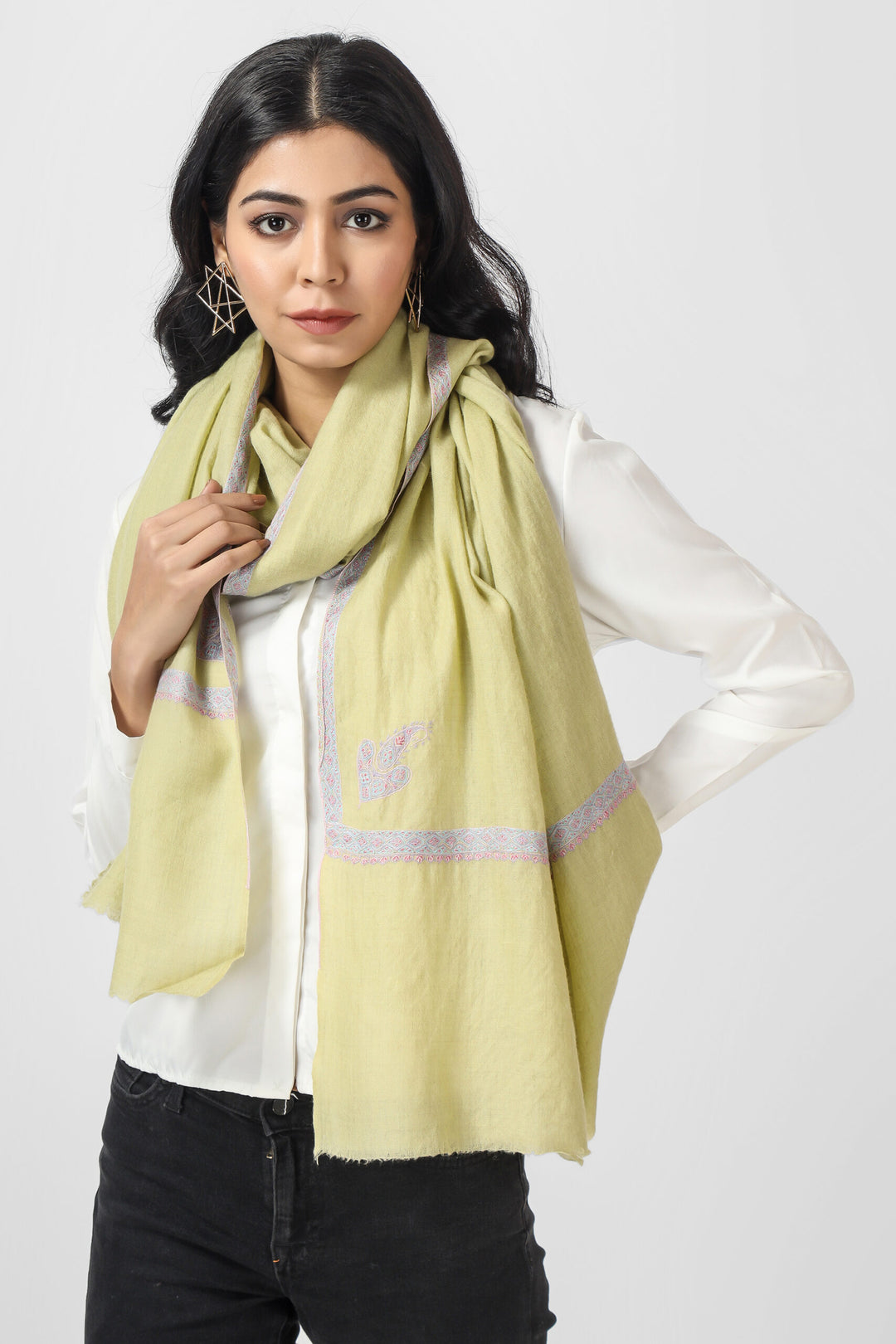
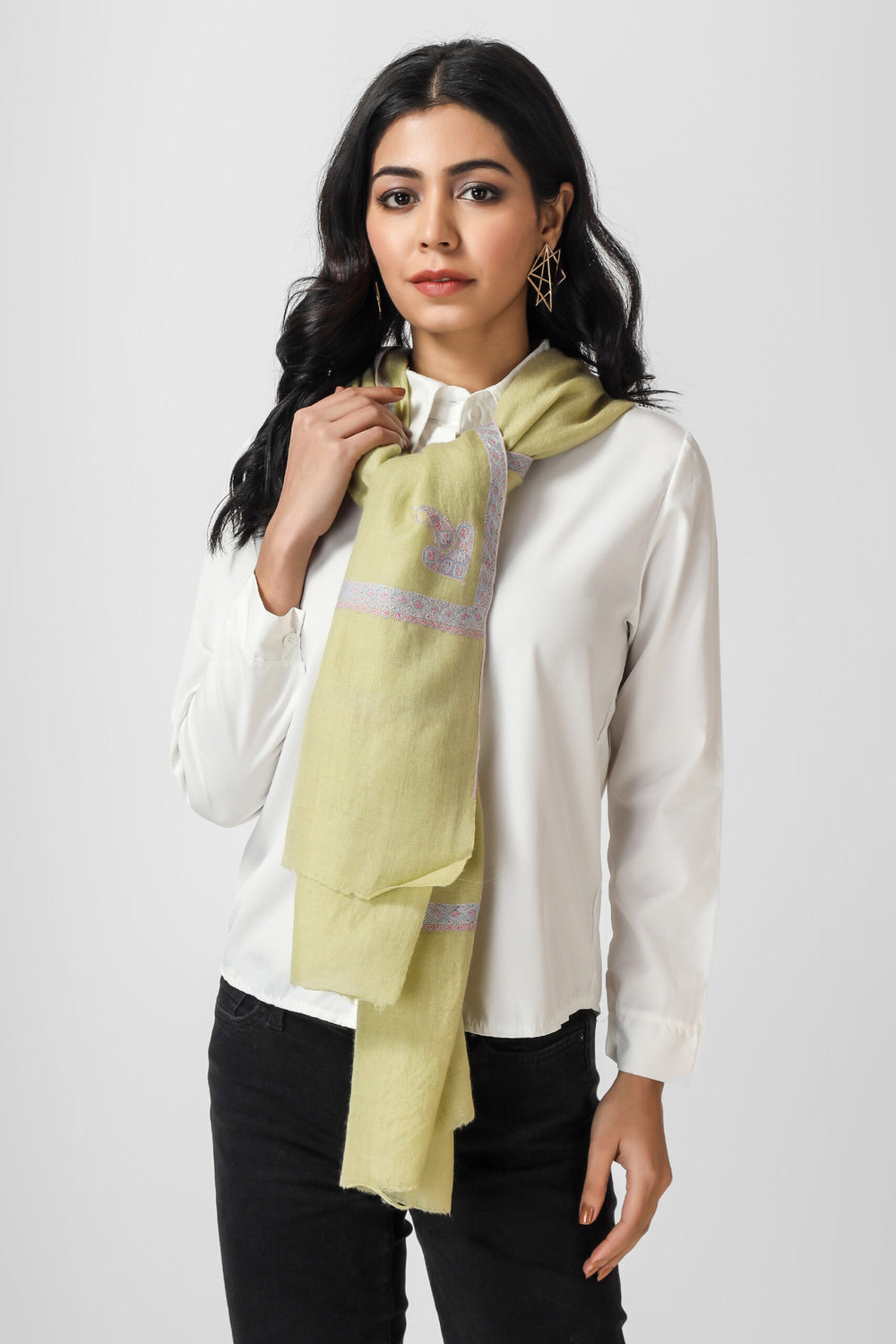
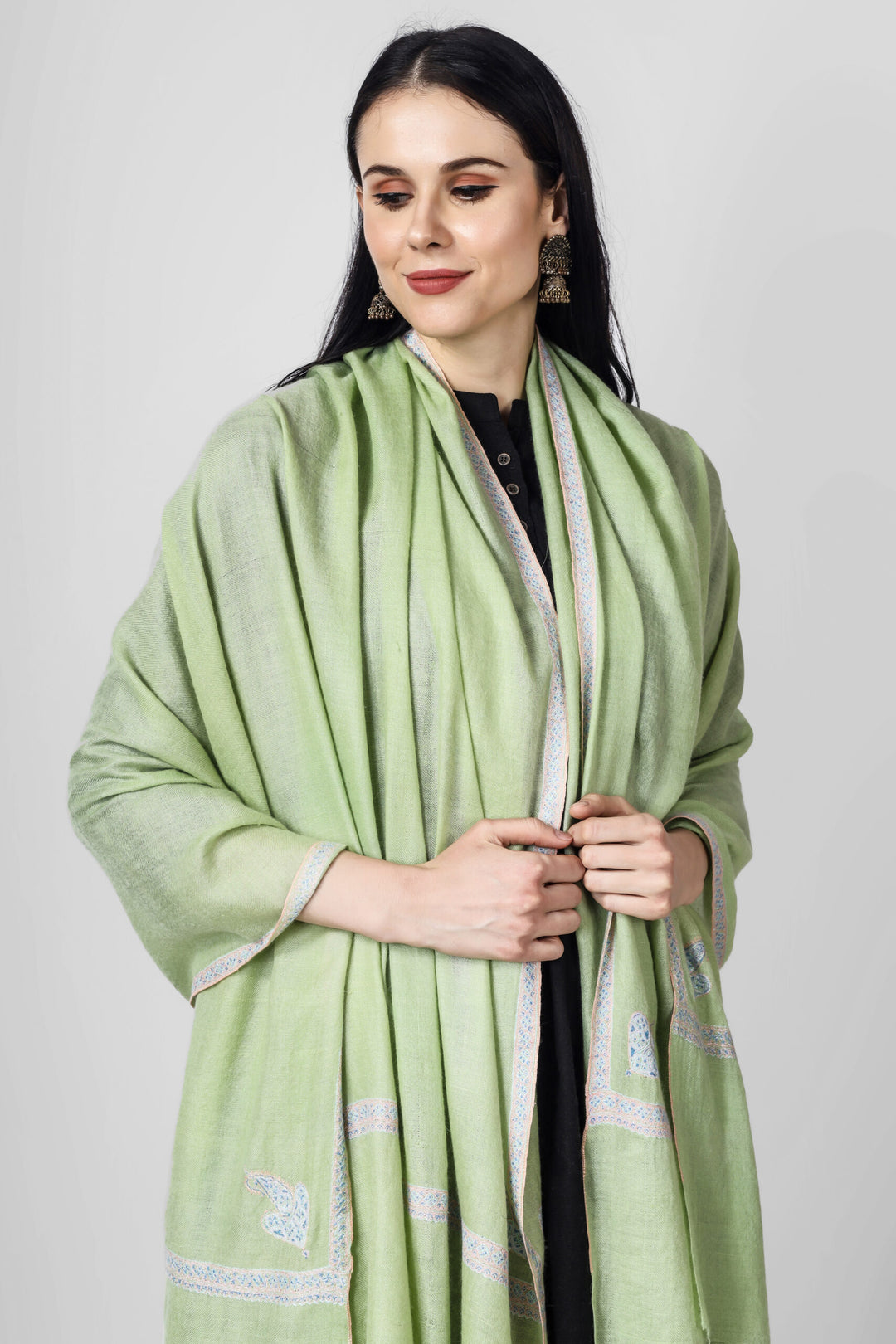
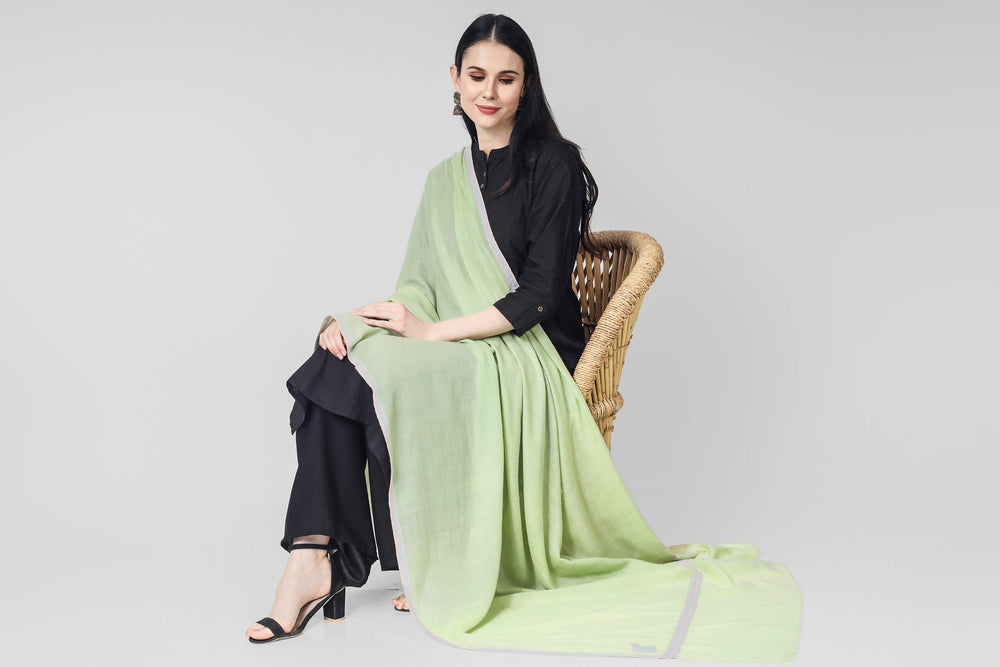
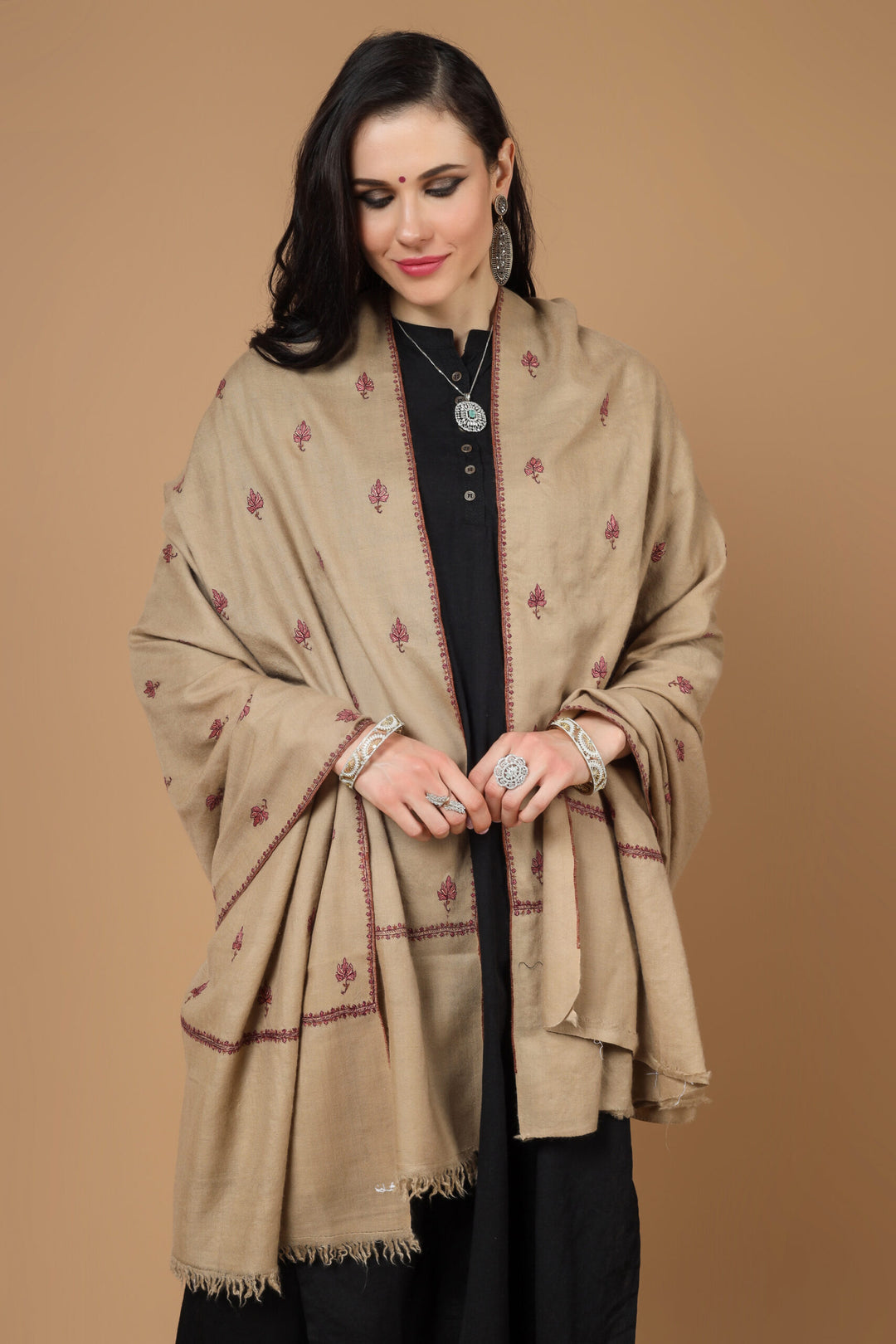
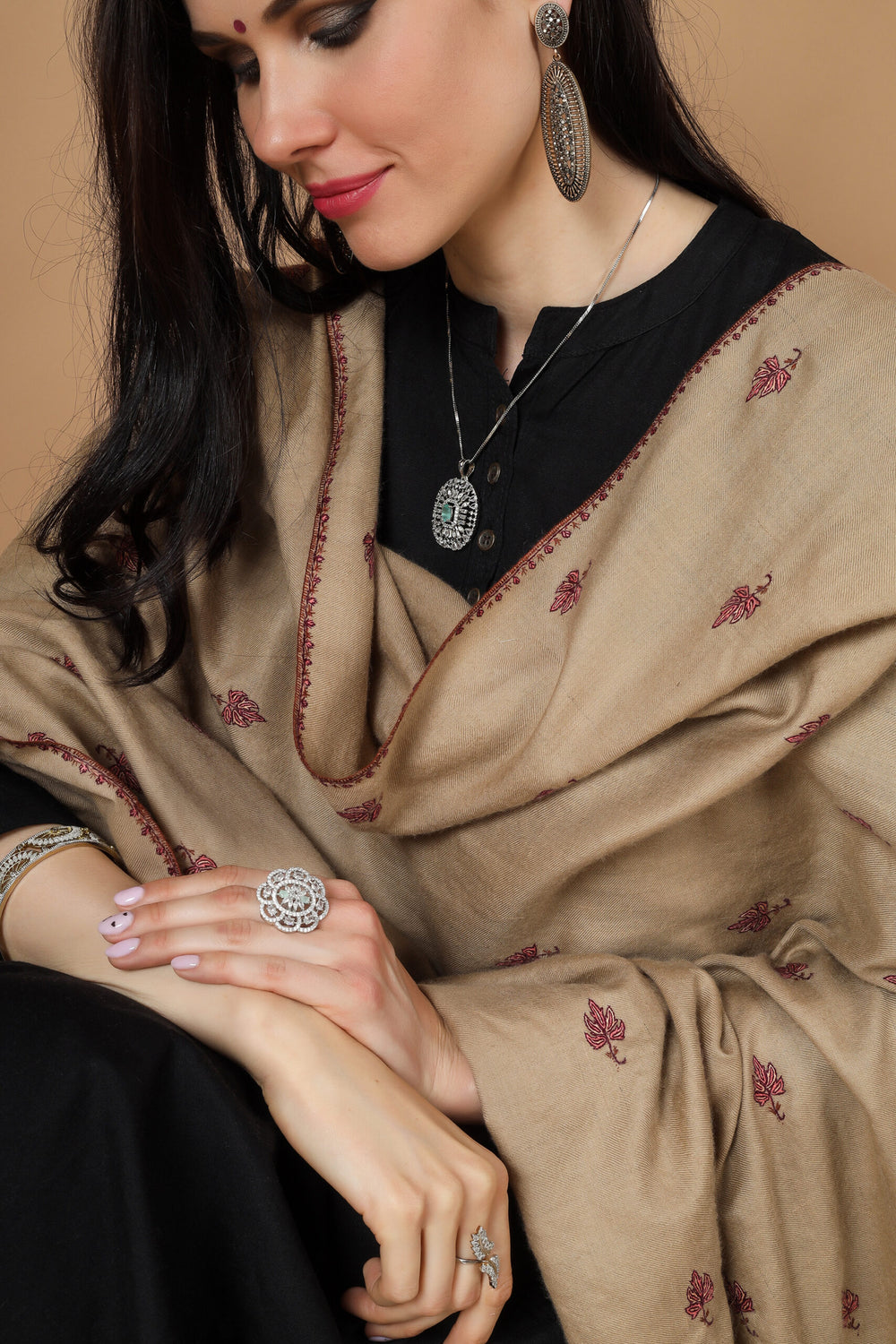
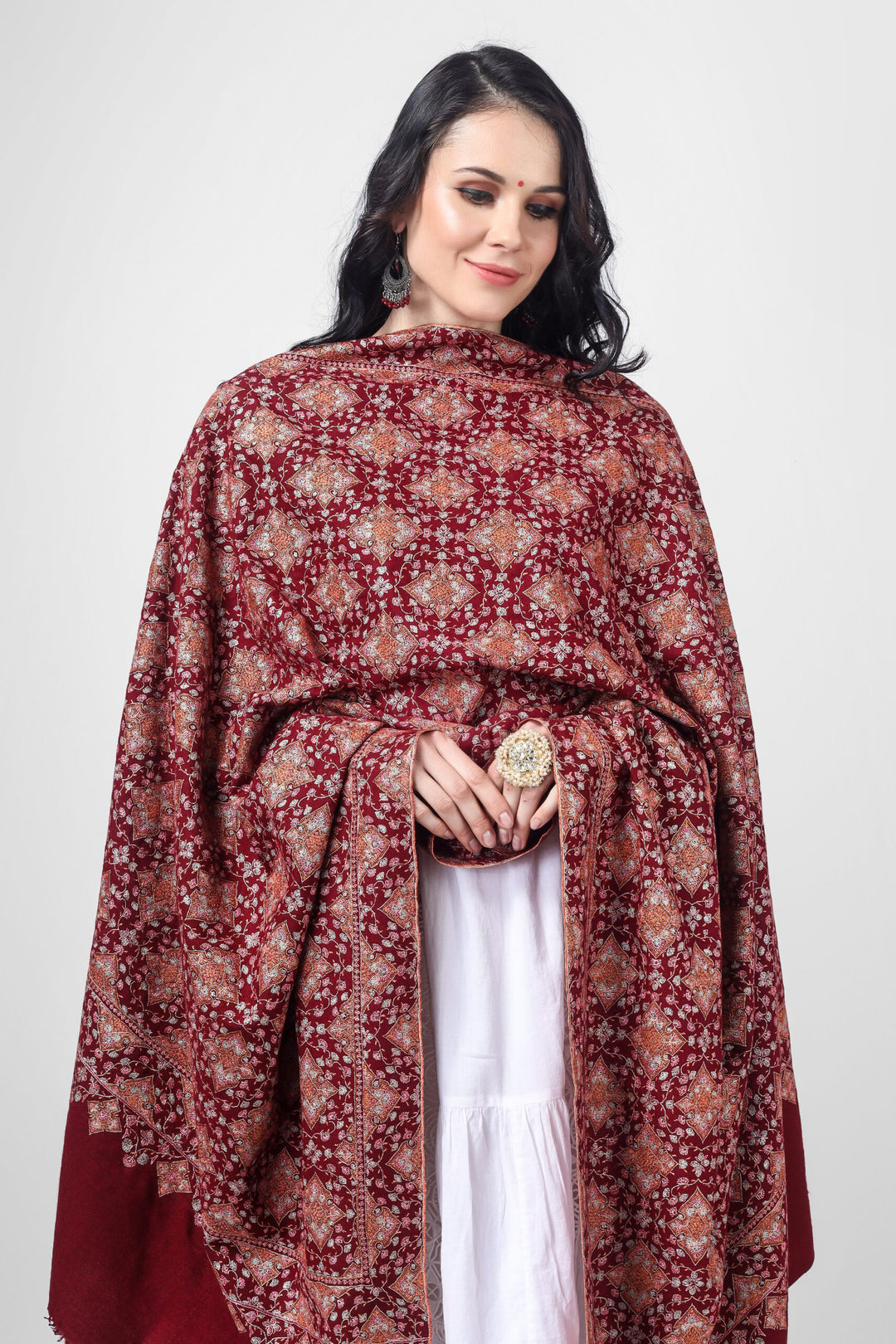
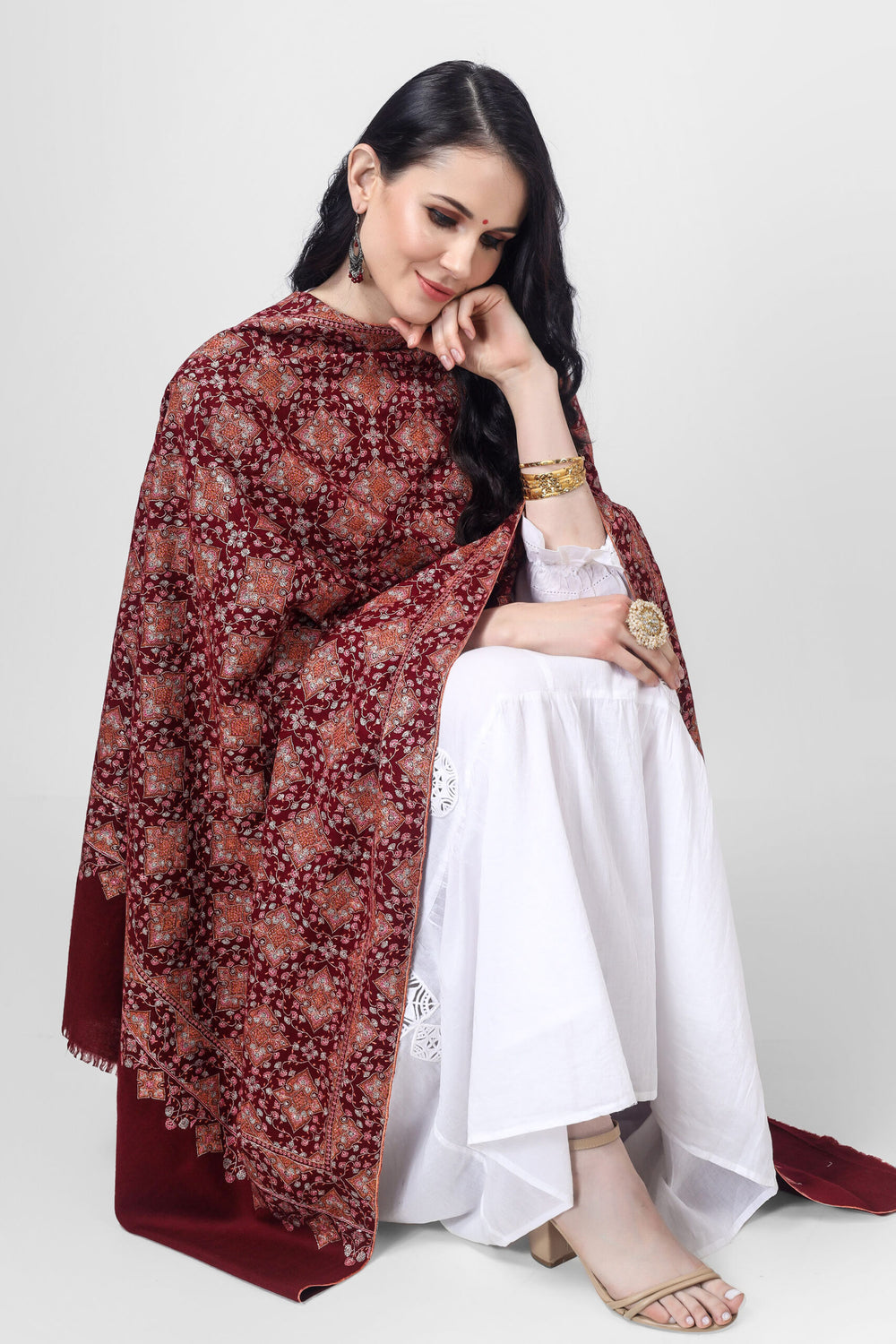
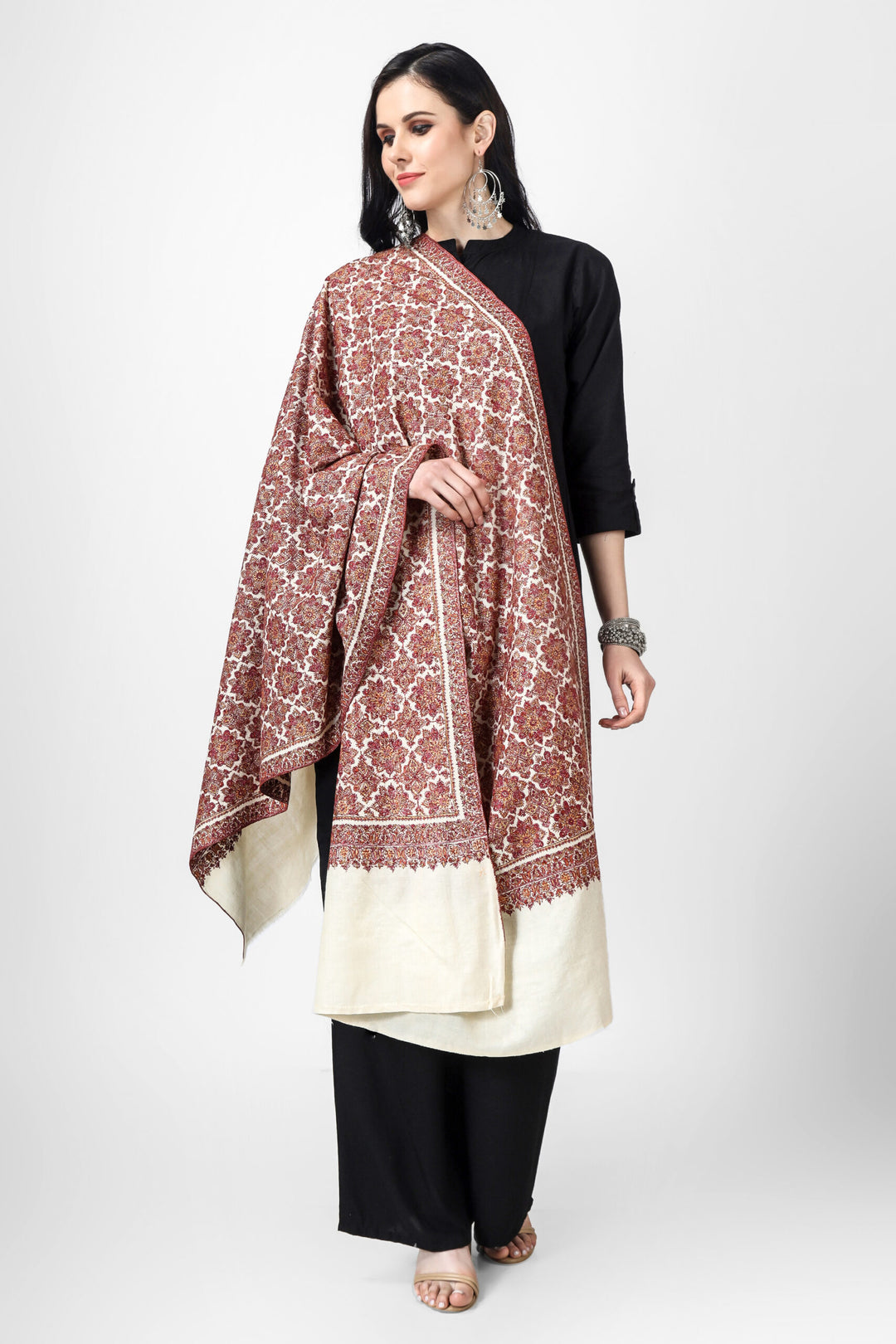
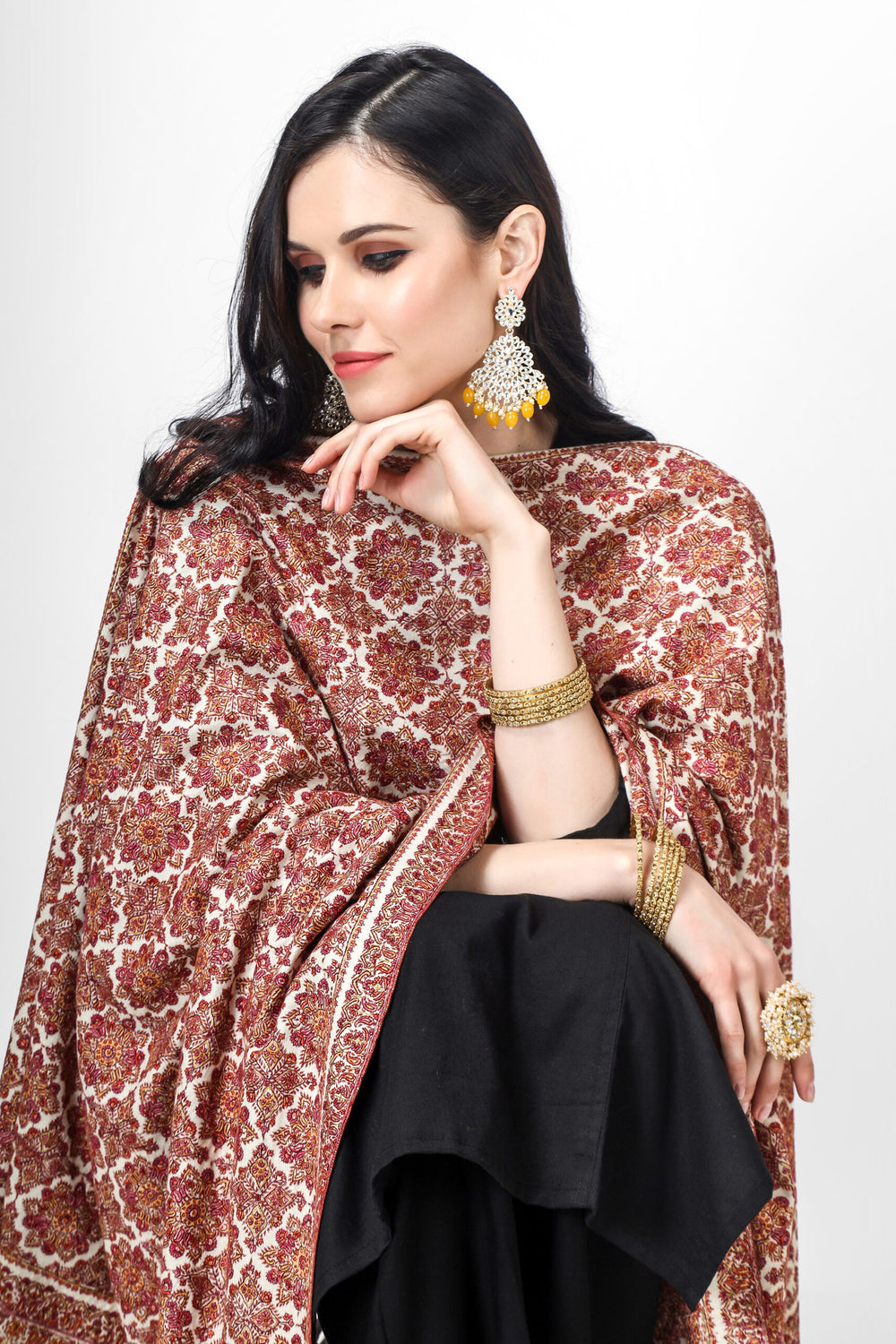
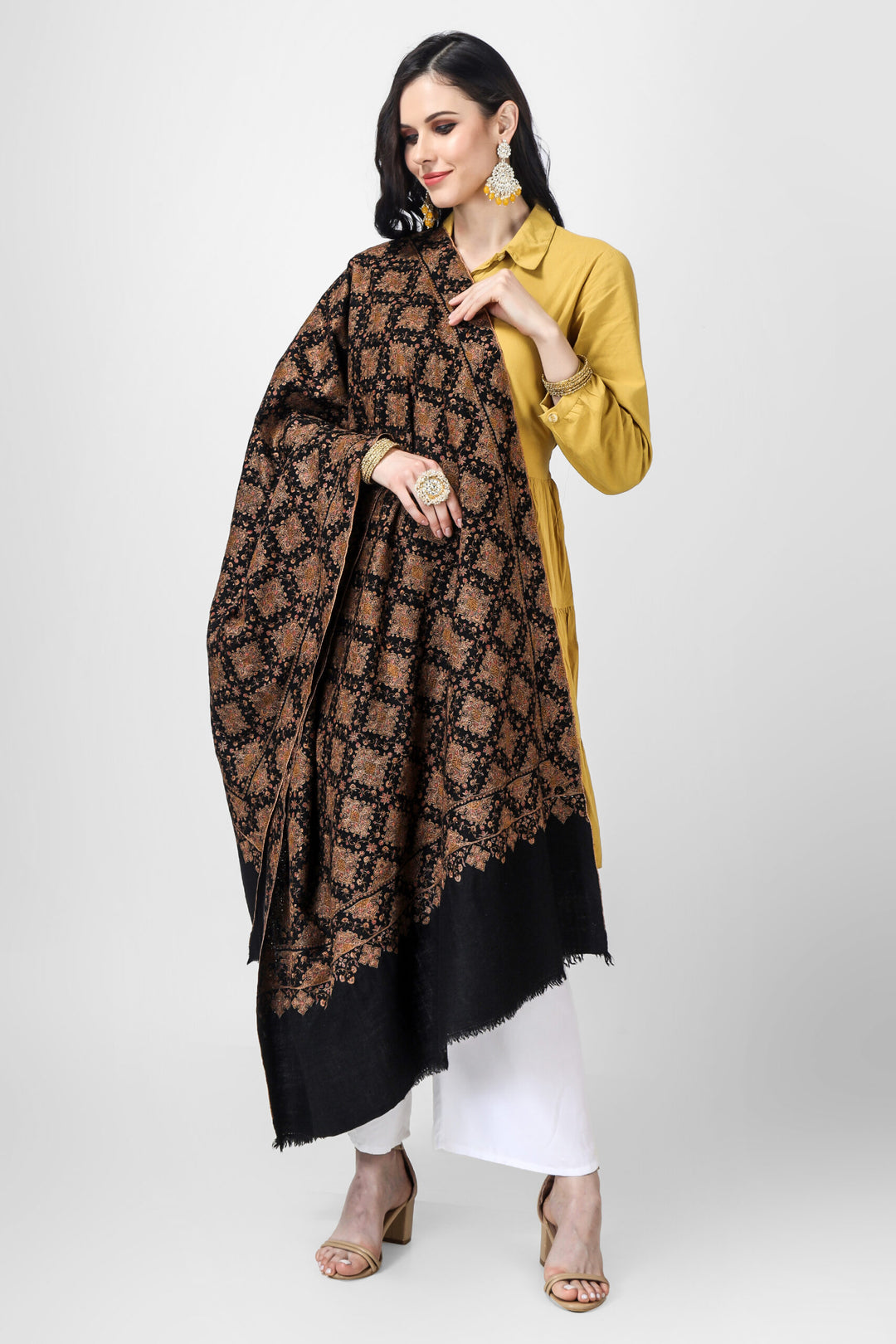
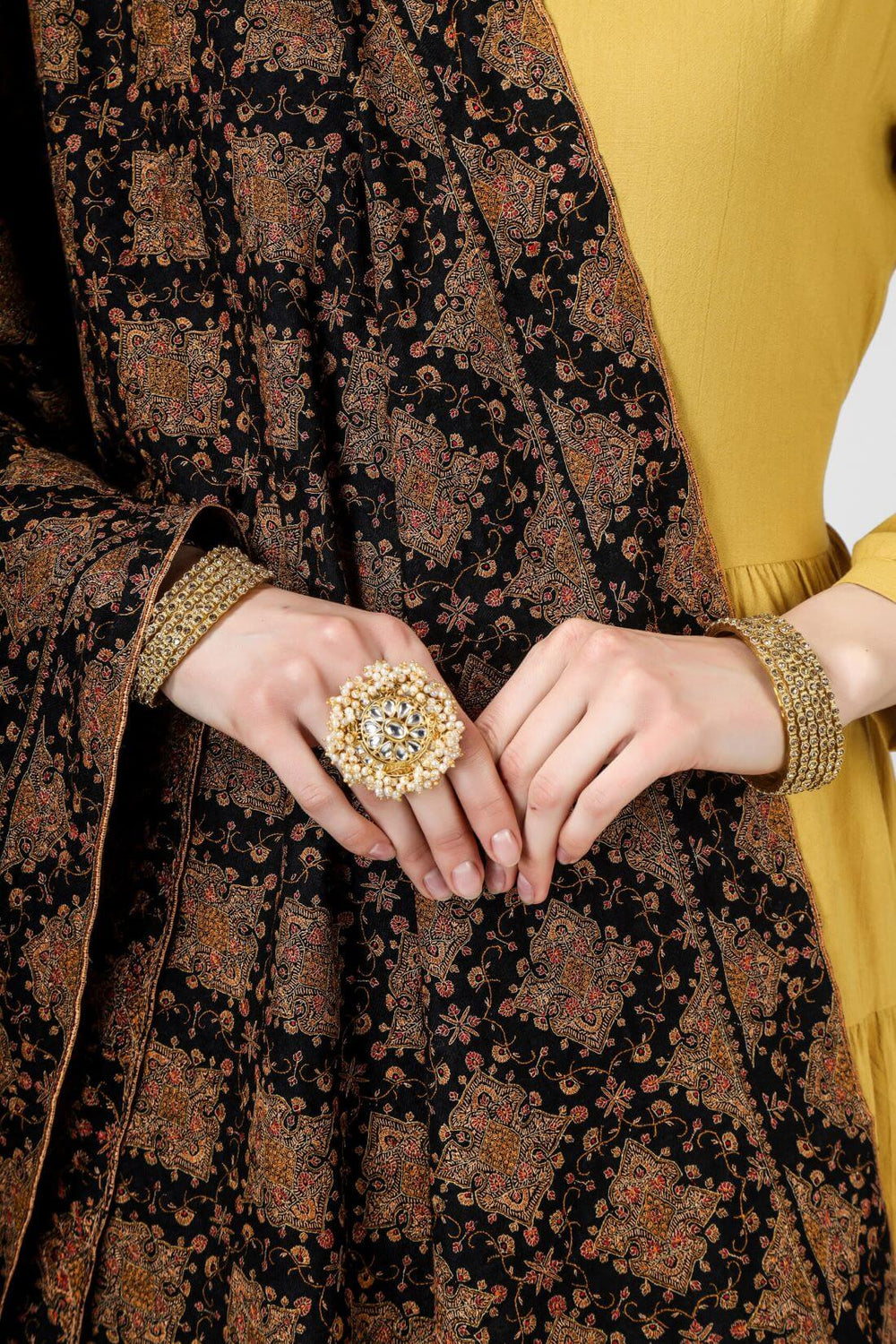
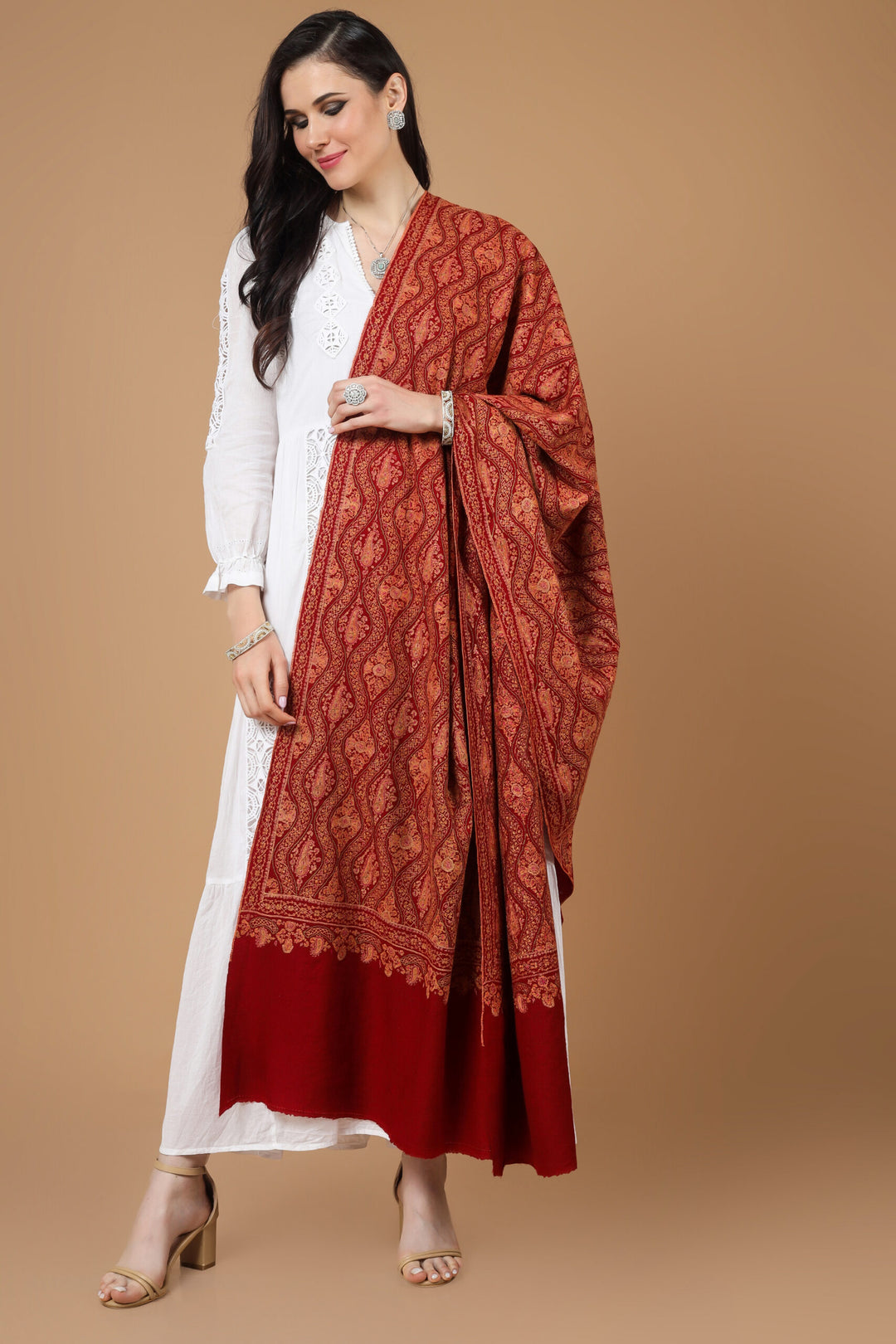
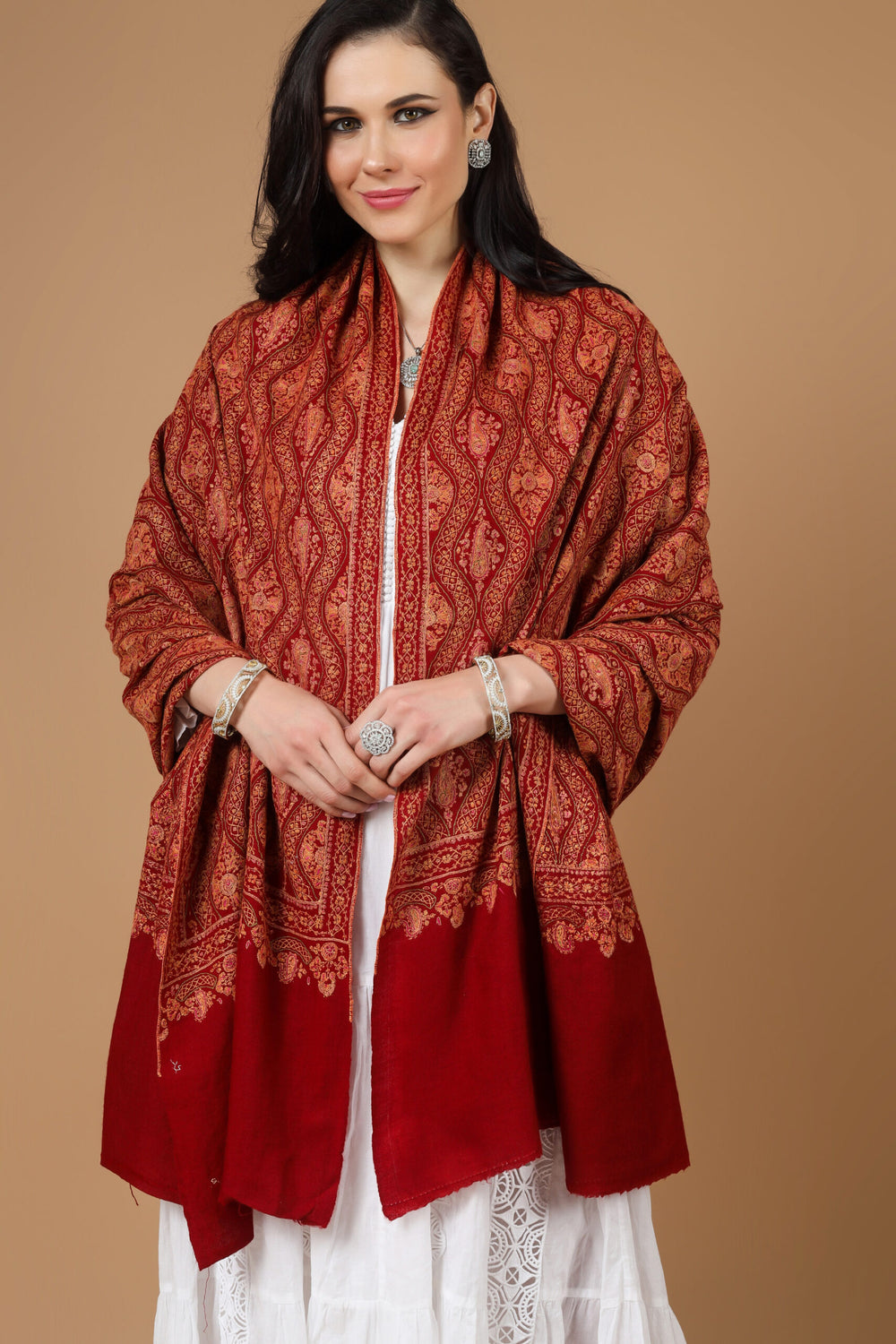
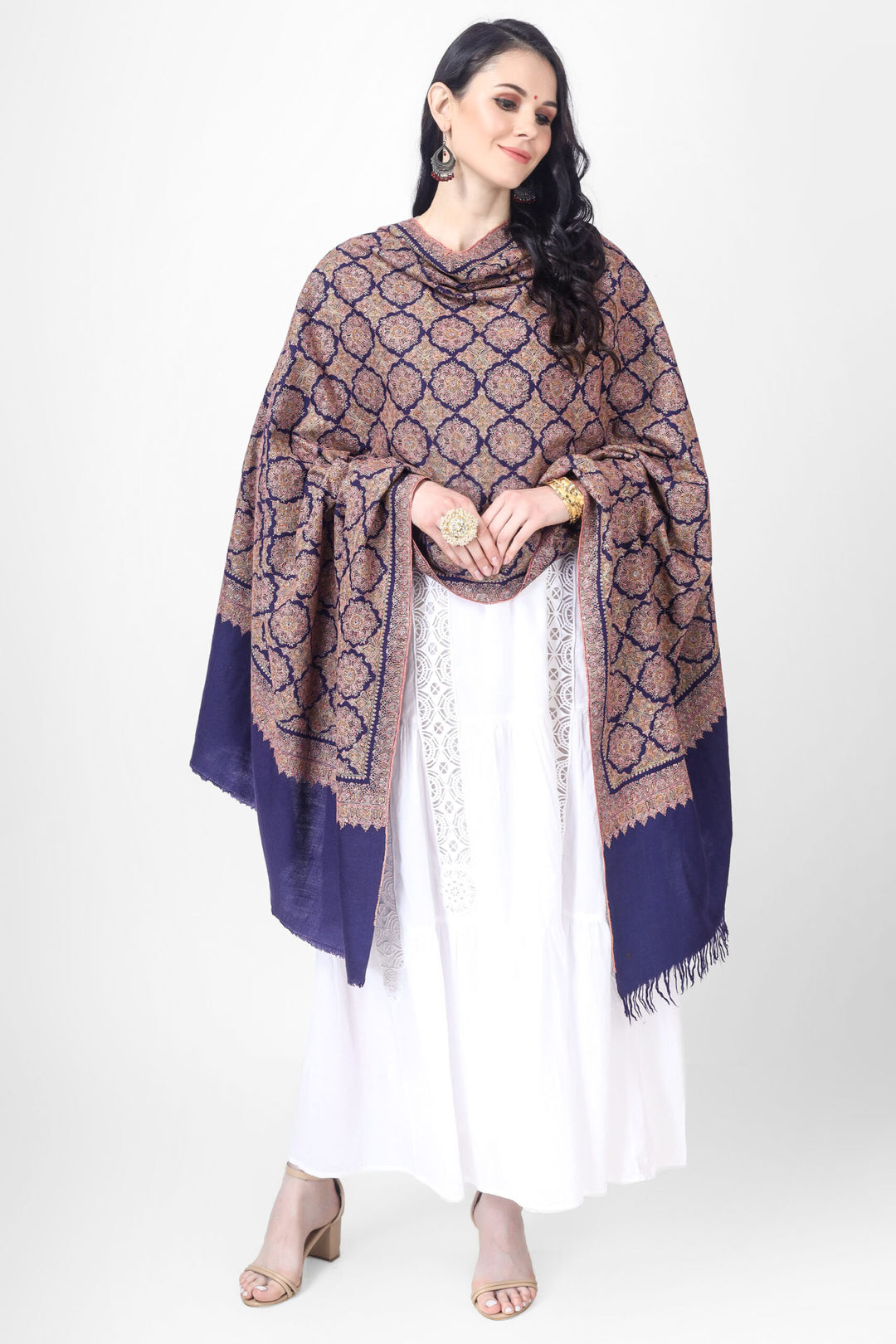
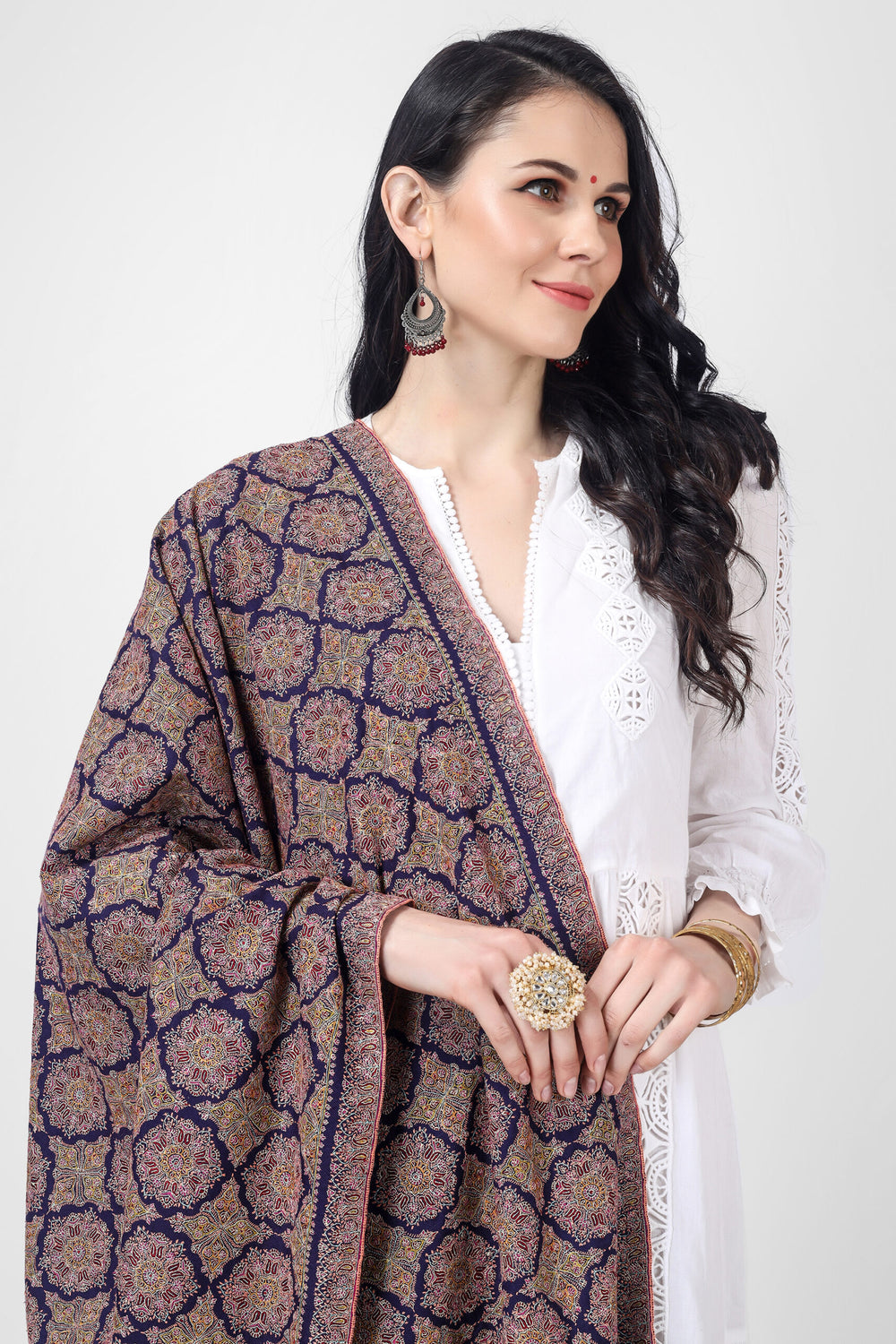
Discover the unparalleled luxury of GI-certified Pashmina shawls, handwoven from ultra-fine Changathi goat fibers by master Kashmiri artisans. Browse our shawl collection here.
What is GI Certification?
The Geographical Indication (GI) tag certifies that the pashmina is sourced exclusively from Kashmir and crafted using artisan craftsmanship, preserving the tradition.
Artisan Empowerment & Heritage Craftsmanship
Kepra partners with women artisans, supporting sustainable livelihoods and preserving traditional weaving and spinning techniques.
Features & Benefits of Kepra GI Pashmina
- 100% pure Changathi goat fibers (12–16 microns ultra-fine)
- Hand-spun yarn and handwoven
- Official GI certification ensuring authenticity
- 50+ exclusive colors with reversible designs
- Natural eco-friendly dyes
- Lifetime authenticity and quality assurance
- Appreciates 10–18% annually as a luxury investment
Pricing & Care Instructions
Prices range from ₹18,000 for elegant stoles to ₹60,000+ for intricately embroidered shawls. Professional dry cleaning and proper storage ensure longevity.
Explore the GI Pashmina CollectionFrequently Asked Questions
What is GI Pashmina?
Why is GI certification important?
How is Kepra's GI Pashmina made?
What is the price range of Kepra GI Pashmina shawls?
How should I care for my pashmina shawl?
What differentiates Kashmiri Pashmina from cashmere?
Are GI Pashmina shawls good investments?
How do I verify authentic GI Pashmina?
What colors and designs does Kepra offer?
Does Kepra offer international shipping?
What sizes are available?
How long do these shawls last?
What traditional techniques are applied?
Are Kepra's manufacturing methods sustainable?
What sets Kepra apart?